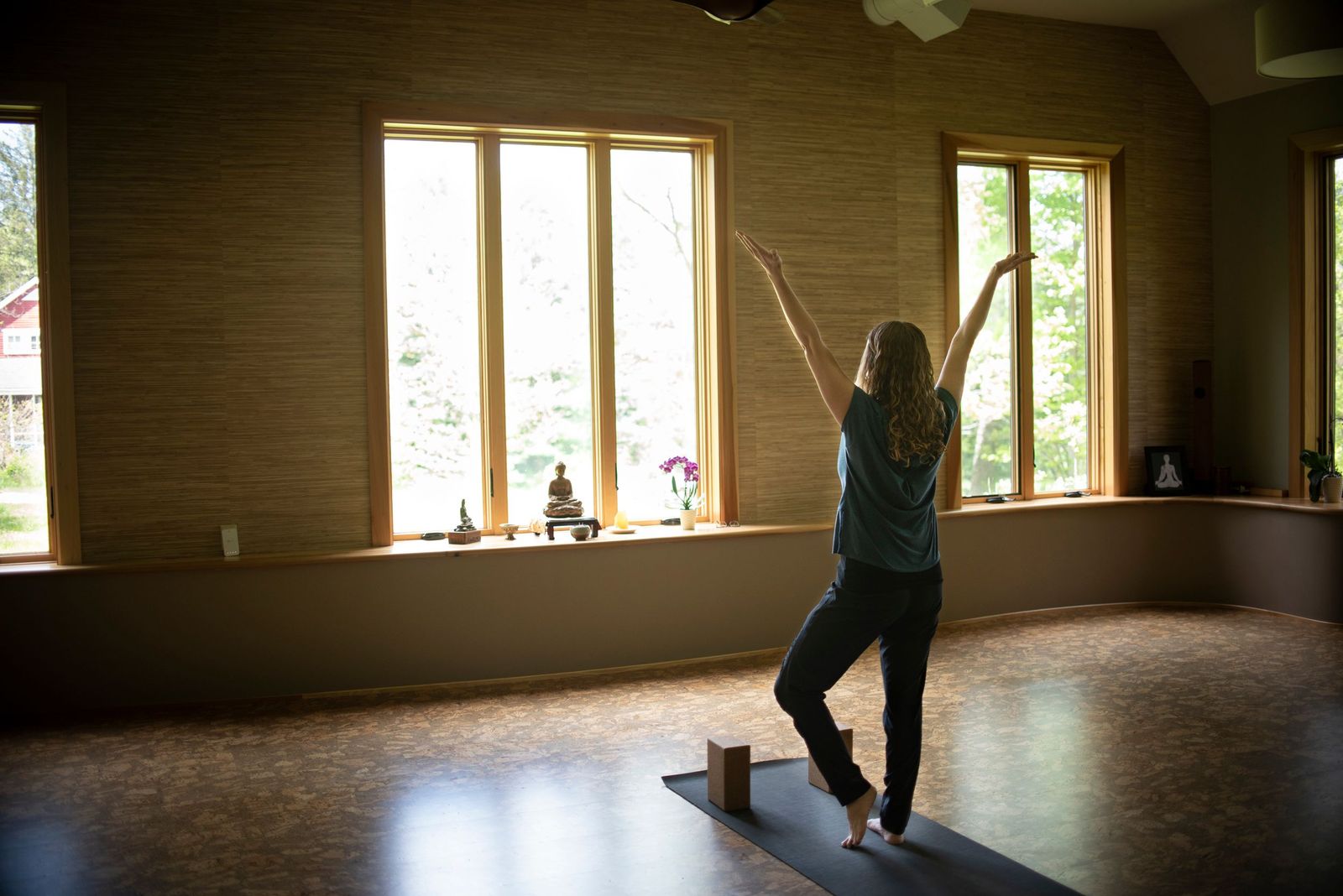
Improved strength and flexibility are not the only benefits to maintaining a yoga practice. Here are 15 benefits of yoga that apply to children, teens, and adults:
Body awareness and connection to body - Embodiment is the experience of being in our body. There are so many things in our culture that pull us away from being in our body and so much activity is happening in our mind. Yoga and its practices are a way of bringing us back to the felt sense of being in our bodies. This can be a big challenge for people who are neurodivergent.
Self regulation - Yoga can help us manage our energy, whether that is intense amounts of energy, as with anxiety, or whether we have low energy. It can help us regulate emotions that need to be expressed and processed.
Sensory processing and sensory integration - Our sensory systems become strengthened when we activate or use them. Learning to attune to those systems enhances our ability to be aware of what’s going on in and around our bodies, and also enhances our ability to interpret and respond to that information.
Motor coordination - The communication between our brain and body is improved through the practice of yoga.
Attention and focus - Being in a more regulated state allows us to have more clarity, and having a clear mind allows us to better concentrate on our surroundings and our tasks.
Learning - If we are in an activated, or a fight-flight-freeze state, then we struggle with being able to take in and retain new information. Yoga can bring us into a more grounded, regulated state, which supports us in learning new things.
Social skills - Yoga improves our ability to relate to and connect with others.
Behavior - Yoga helps us engage with ourselves and others in a more compassionate and connected way.
Communication - Yoga can support our language and communication skills. It can be a powerful tool for effectively expressing ourselves.
Reduced anxiety and depression - Yoga provides tools that help regulate and manage symptoms of anxiety and depression, which can be transformational for those who have had chronic, lifelong experiences with these conditions.
Increased confidence and self esteem - Yoga helps us build an embodied sense of self-confidence and authenticity to move through the world in a more confident way.
Improved sleep - Yoga helps us learn to rest, which helps restore and regenerate our bodies and brains.
Improved cognition - Regulation is key to building new neural pathways, which allows us to learn and grow.
Increased capacity and resilience - Think of a balloon. If we fill the balloon with too much air, eventually, it will pop. Yoga teaches us ways to let some of the air out of the balloon, so that when stress happens, we’re better able to manage it. It creates more space and buoyancy to be able to move back and forth between stressful states. Not all stress is bad. Some stress is positive (known as eustress) and it is how we learn and grow. Yoga provides us with the tools (such as attunement and connection) that allows us to stretch our nervous systems with a nurturing awareness so that we can ultimately expand our capacity to handle stress. Yoga helps us create a rhythm in our nervous system that allows us to have more capacity and resilience to manage the ups and downs of life. Having the tools to not get stuck in our stressful states is the foundation to our wellbeing.
Improved overall health and wellbeing - This one speaks for itself. :)